

Angelica Trimble-Yanu
Monotype Printmaking - Sculpture
Angelica Trimble-Yanu is a mixed visual artist and Sculptor. She is an enrolled member of the Oglála Lakȟóta Sioux Nation from Pine Ridge, South Dakota with roots in the San Francisco Bay Area. Angelica’s practice is deeply rooted in her families history of Native leadership and ancestral storytelling, having descended from Albert Trimble, former President of the Oglala Sioux Tribe, and great-niece of Charles "Chuck" Trimble, founder of the American Indian Press Association and Executive Director of the National Congress of American Indians. Their lifelong commitment to tribal sovereignty and the preservation of Lakota culture informs every dimension of her studio practice.
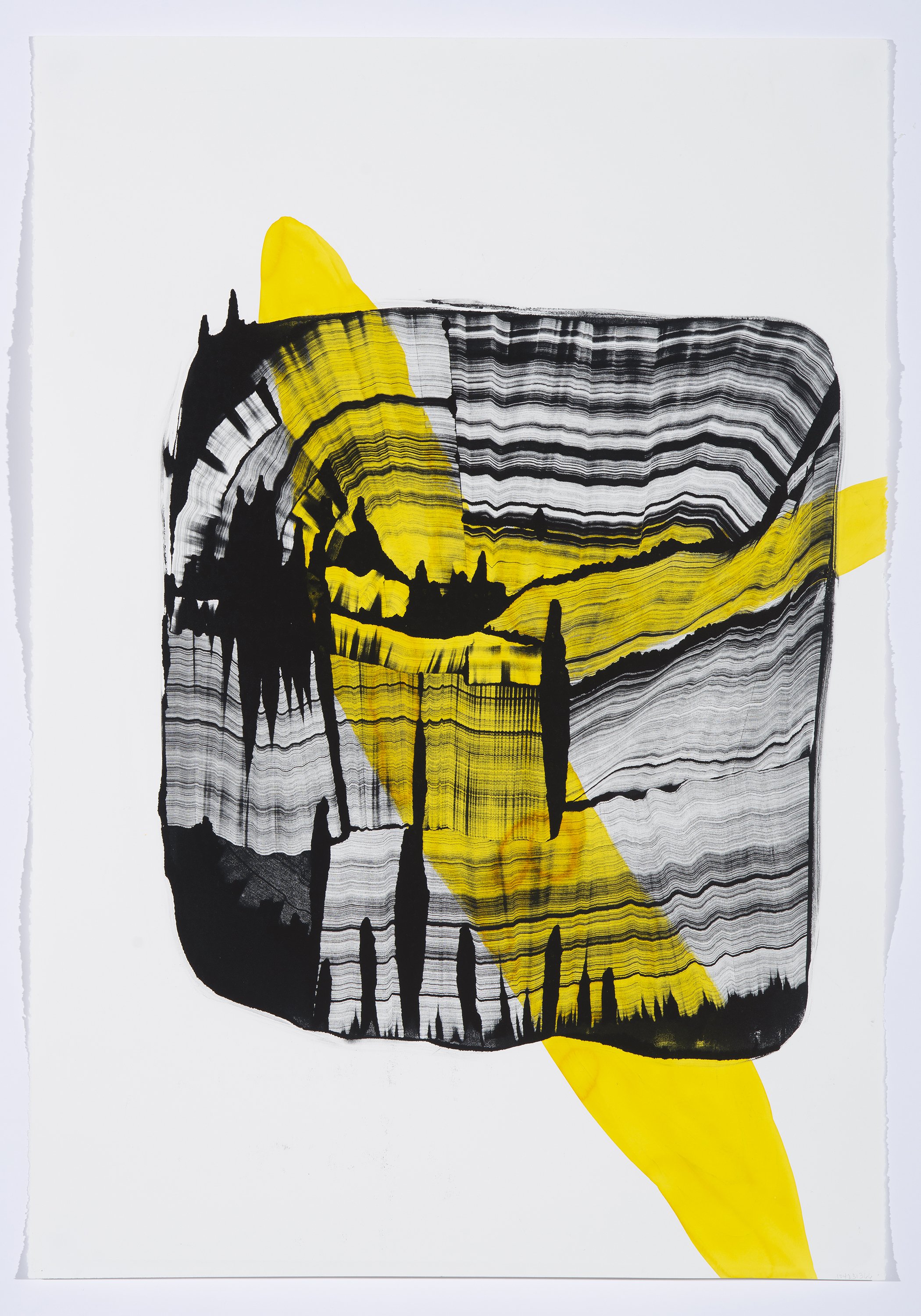
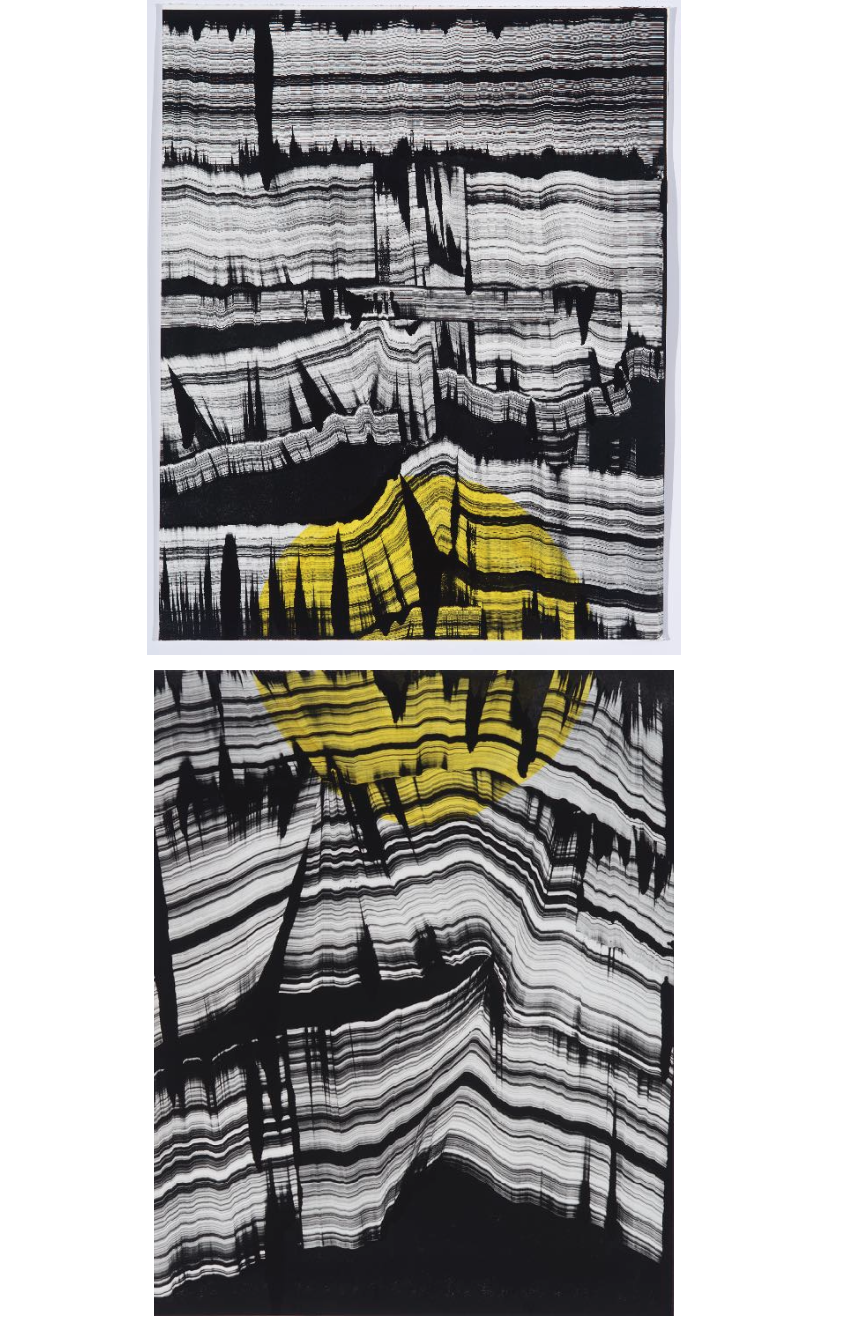
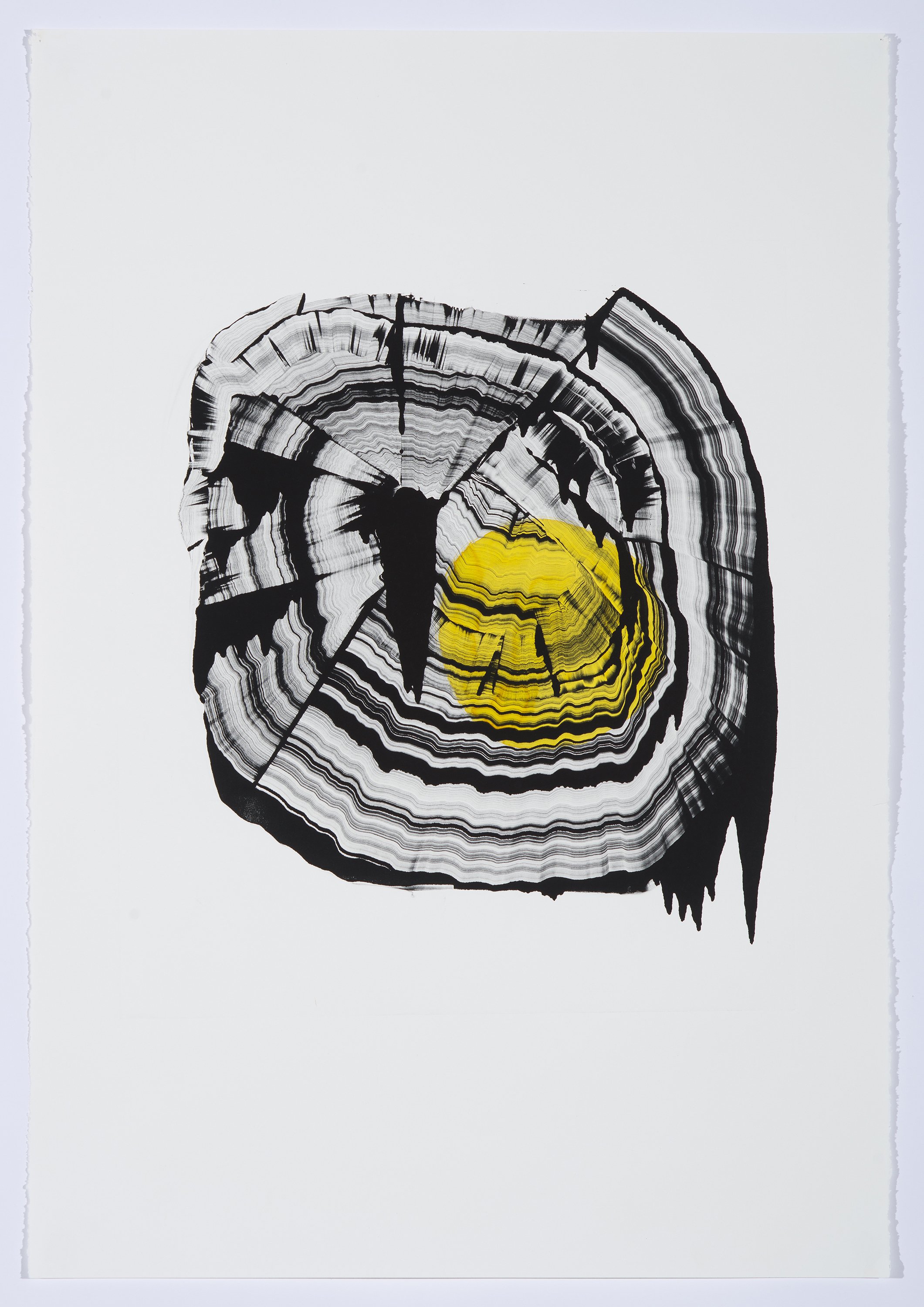
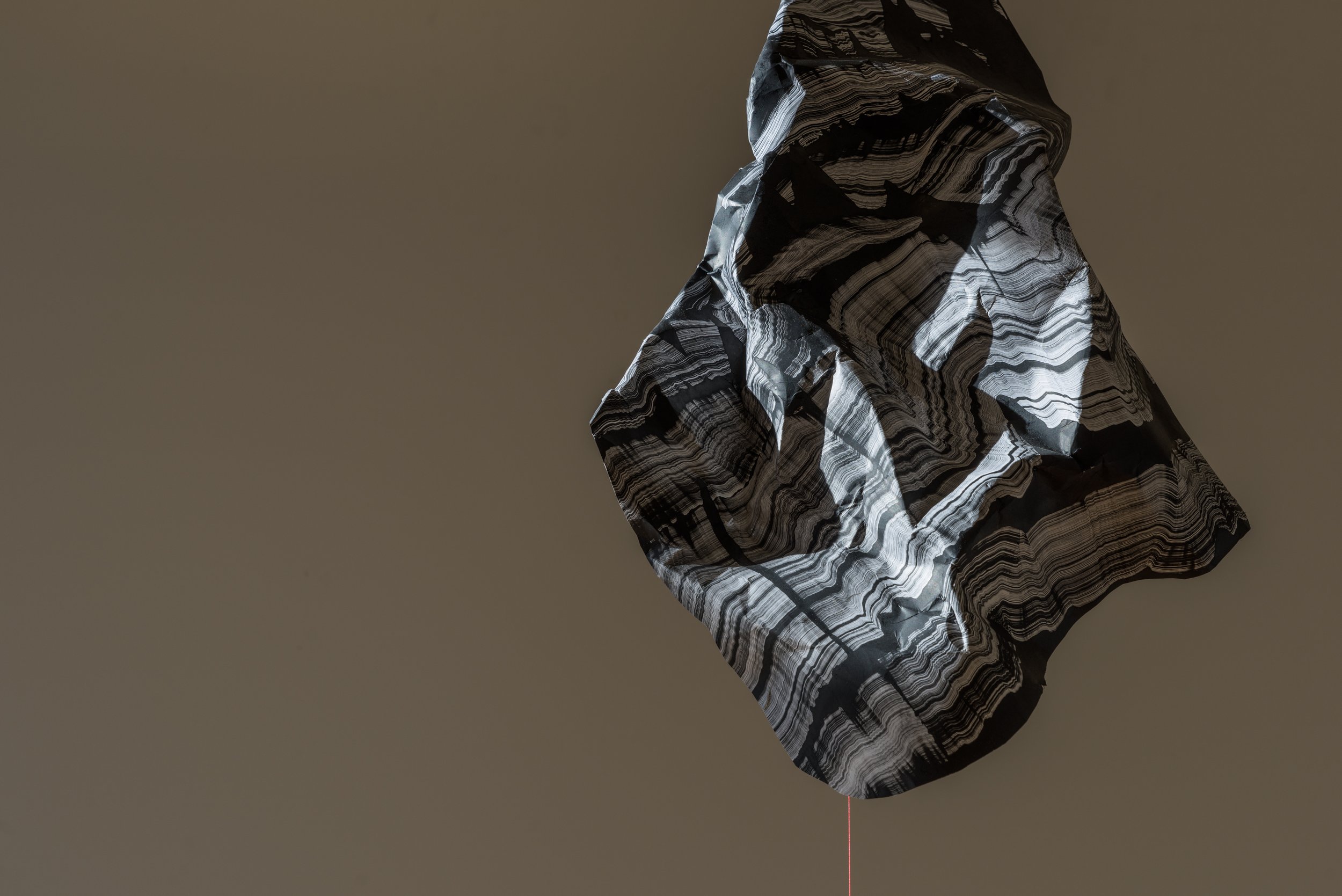
Her work spans disciplines and scales, with an emphasis in Monotype Printmaking. Angelica’s practice includes commissions and exhibitions for leading organizations including Google, Gemini Ai, Nike, and major cultural institutions such as the De Young Museum and MarinMOCA. In 2023, she was nominated for the SFMOMA SECA Art Award following her debut solo exhibition, BLACK SUN.
Notable interviews include Indigenous Artists On Reclaiming Authenticity with PBS News Hour, De Young Open Exhibition: Moving Image at the De Young Museum, and Iyeska & Returning at the Alabama Museum Of Archaleogy.
Angelica holds a BFA in Fine Art from the Pacific Northwest College of Art and works at the intersection of contemporary art, design, and culture.
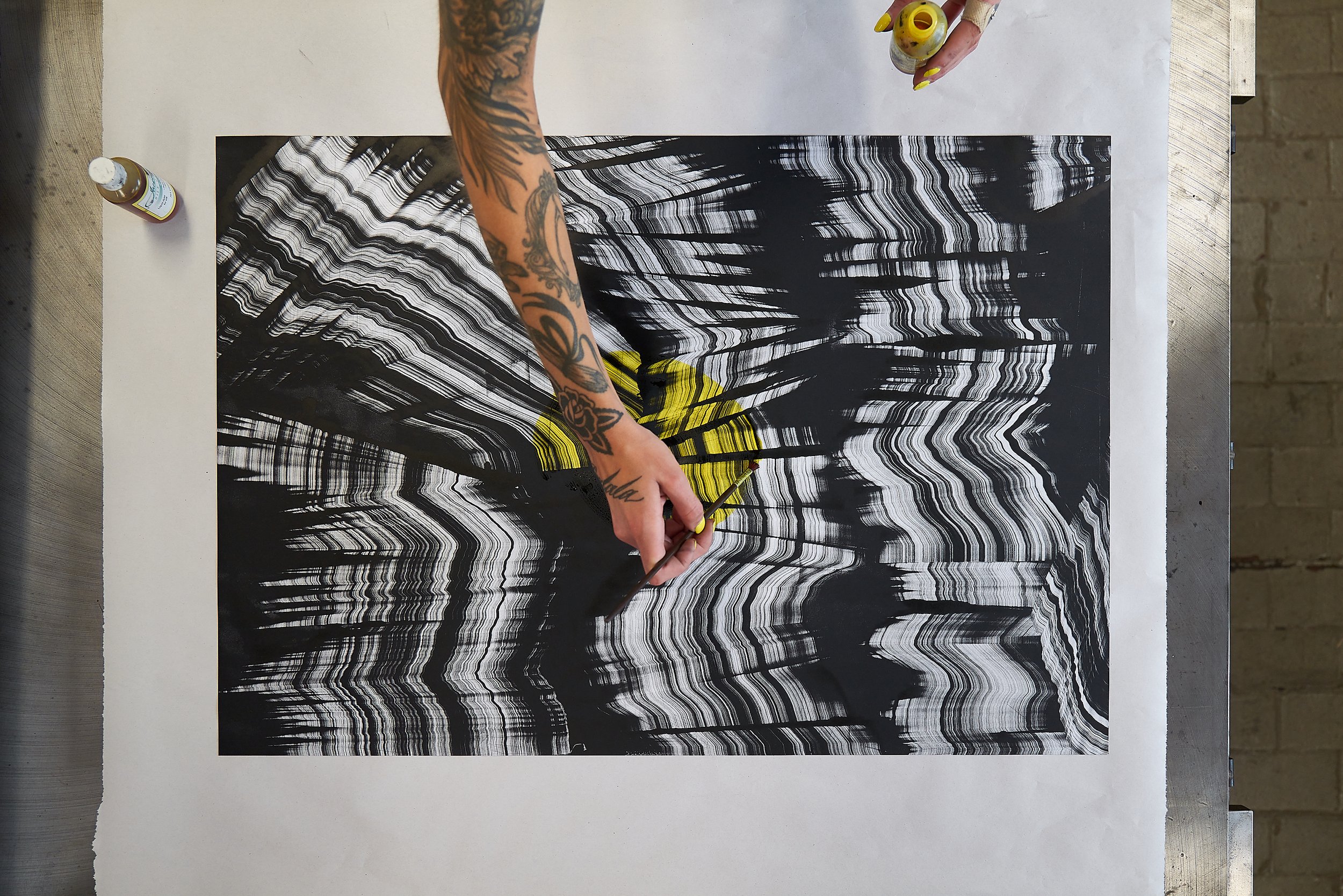
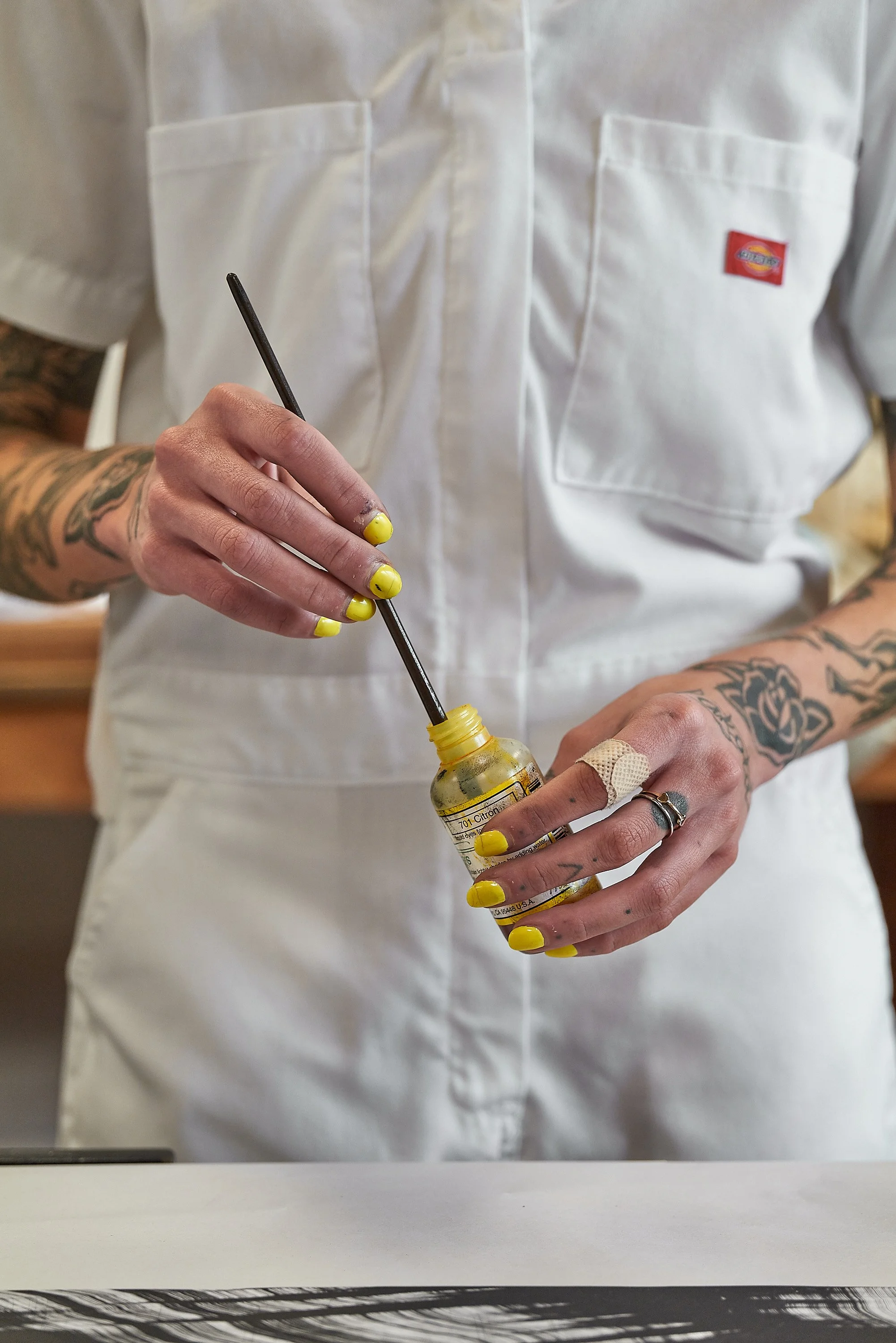
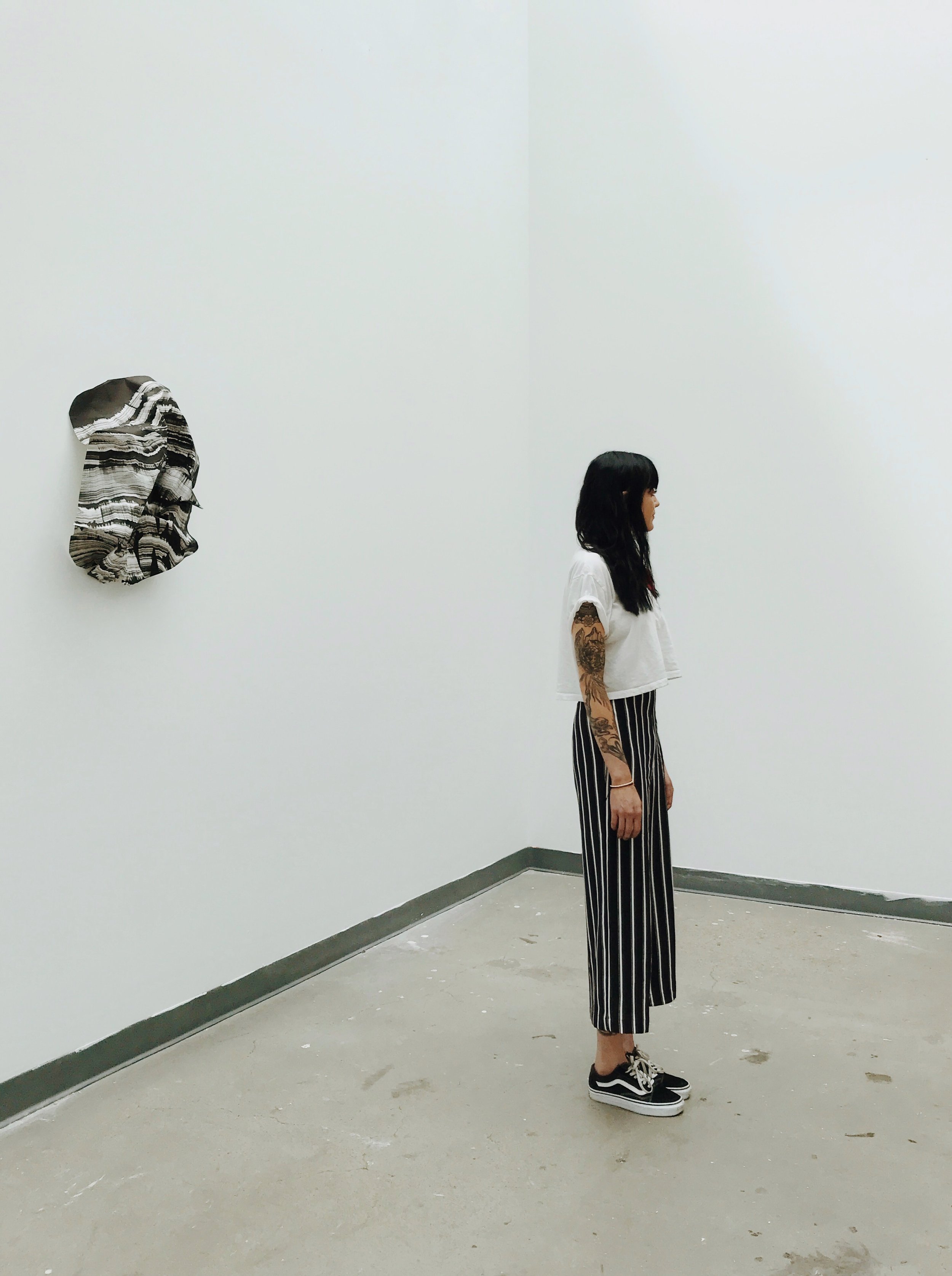
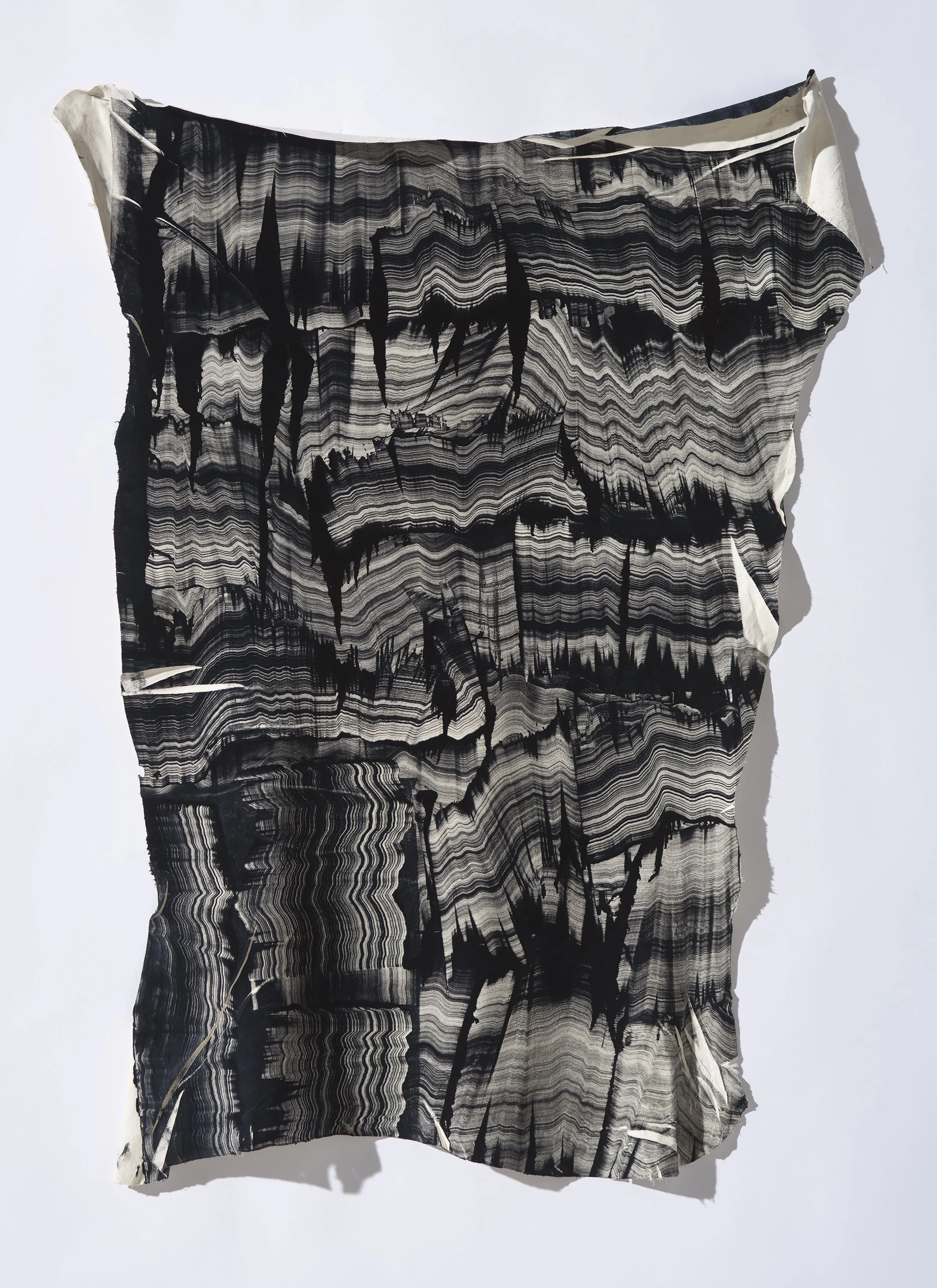
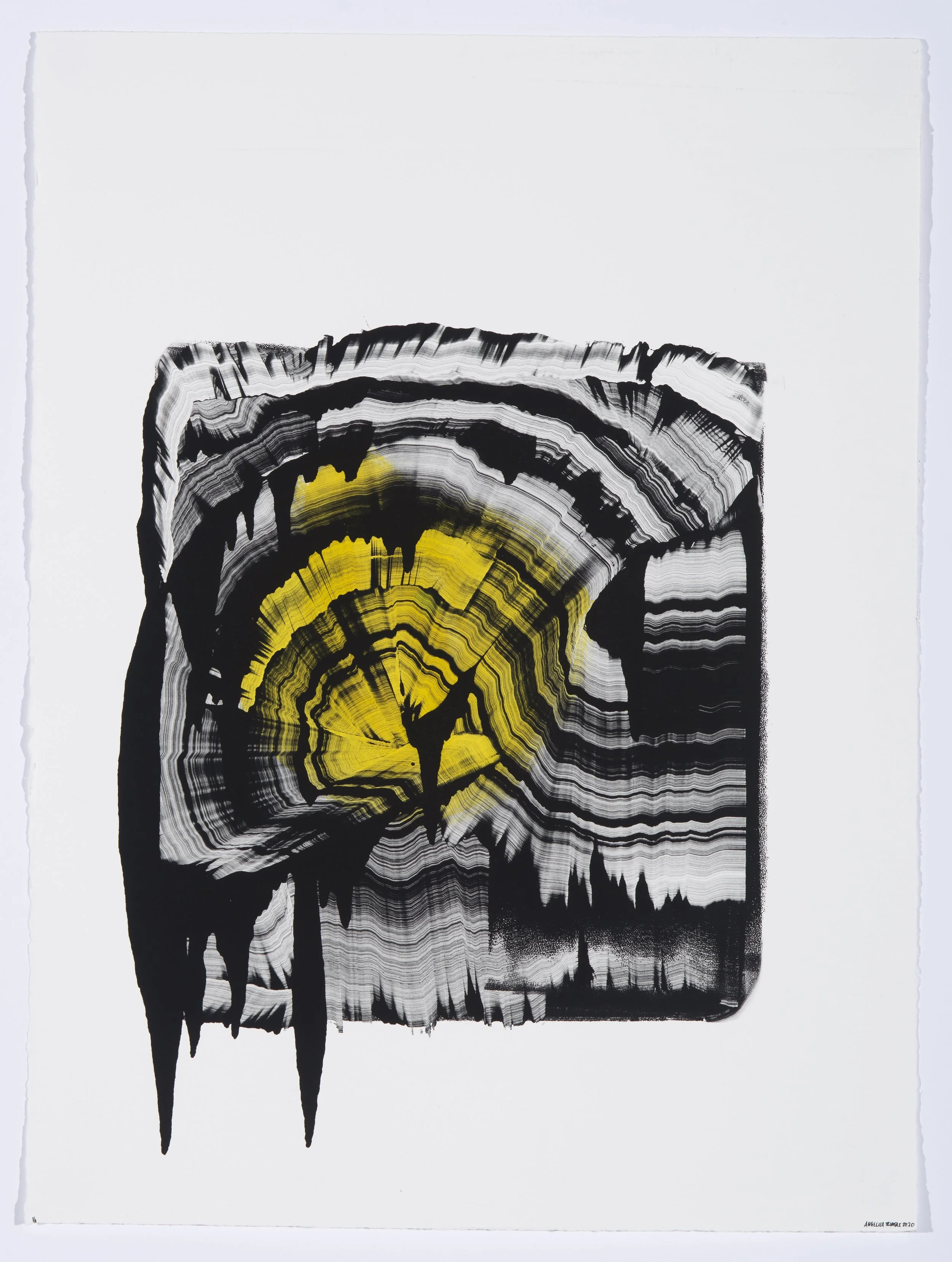
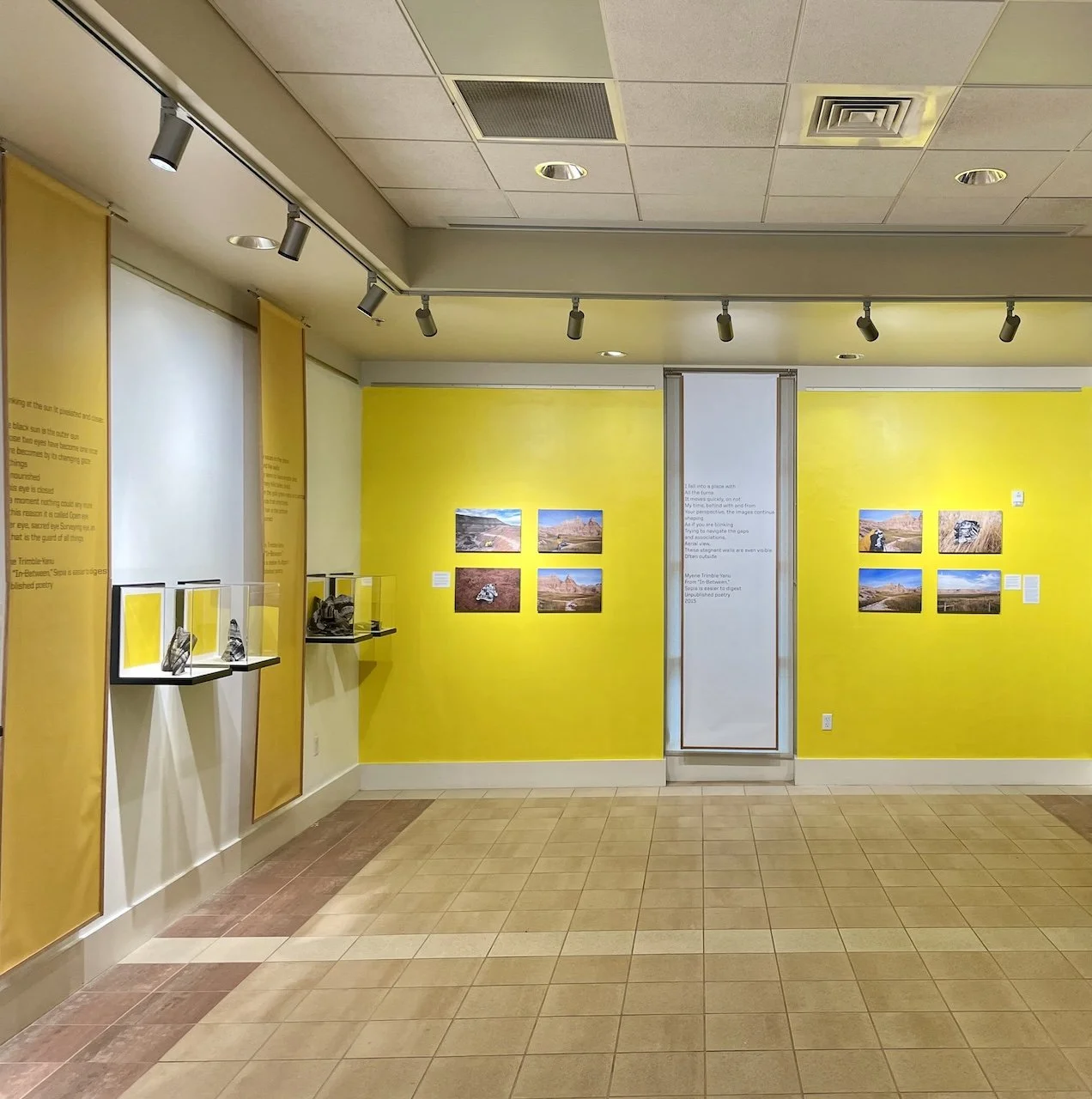
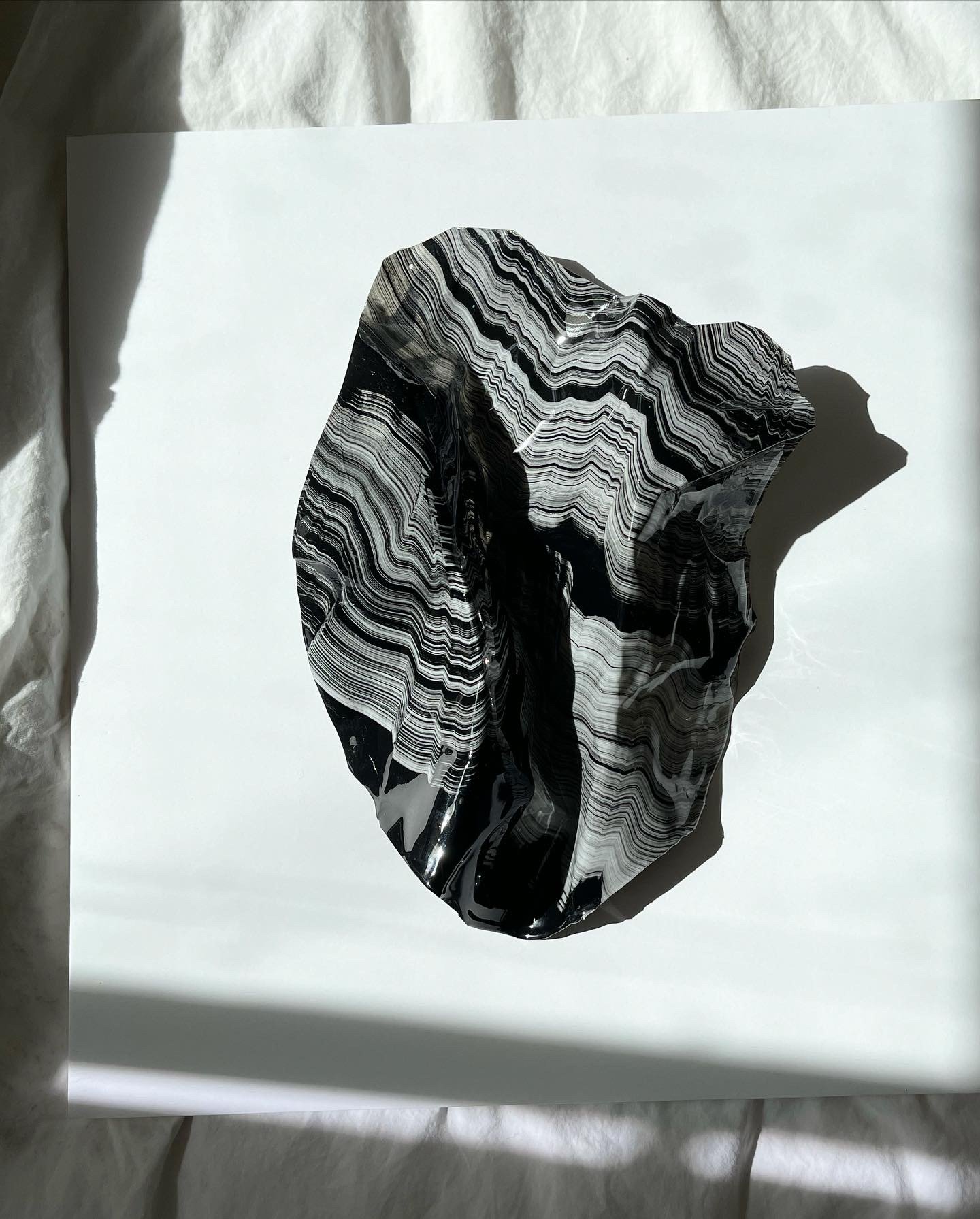
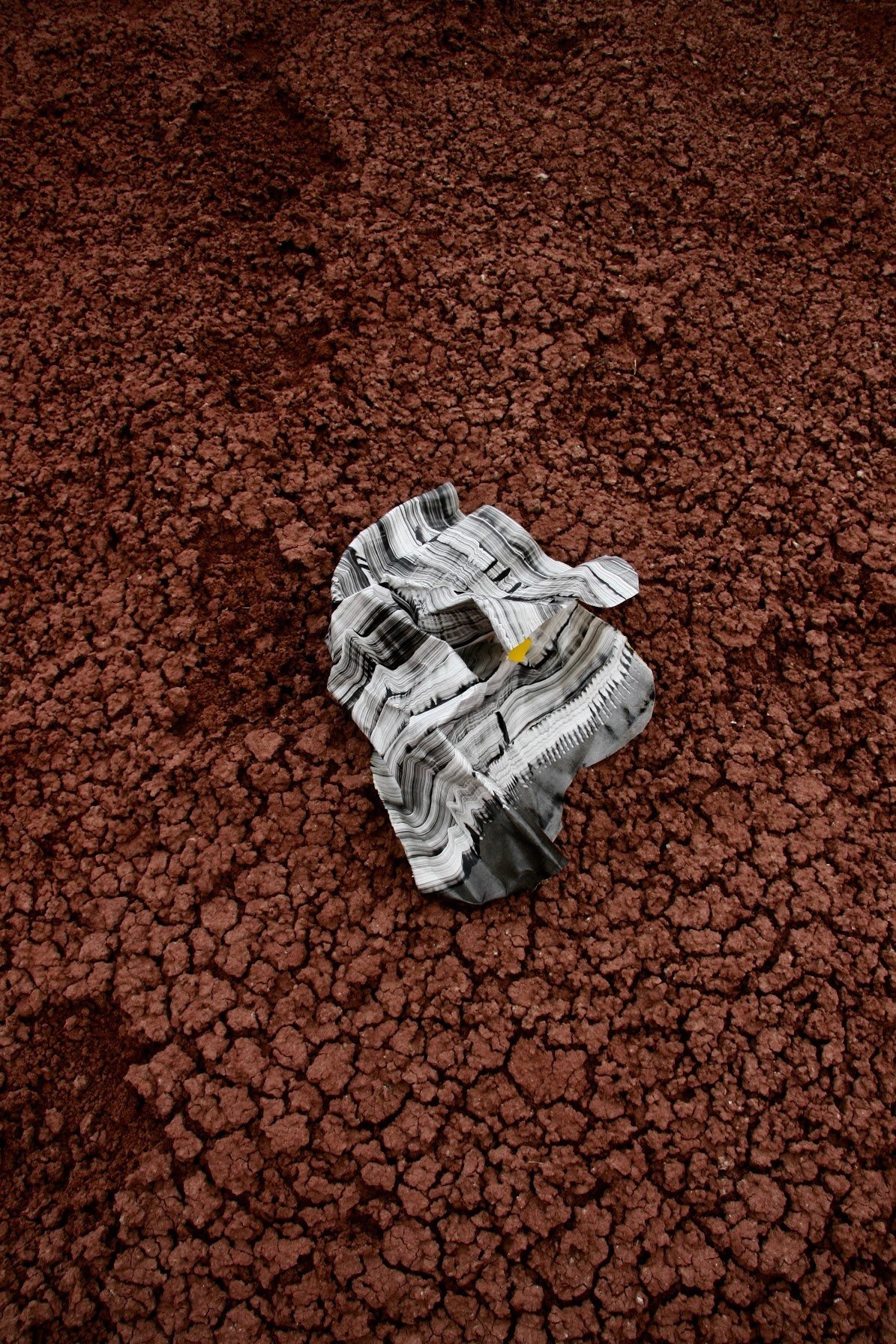


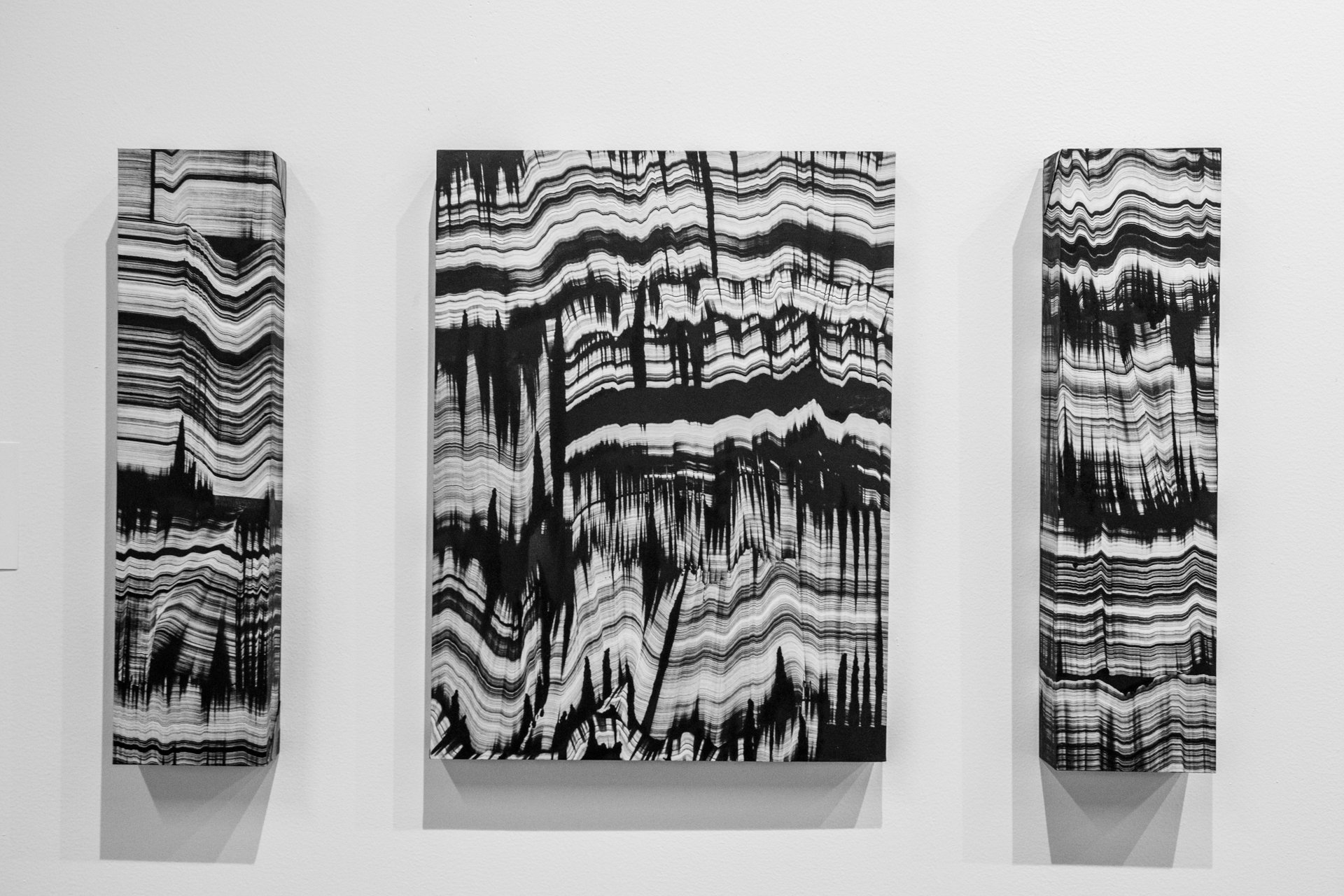
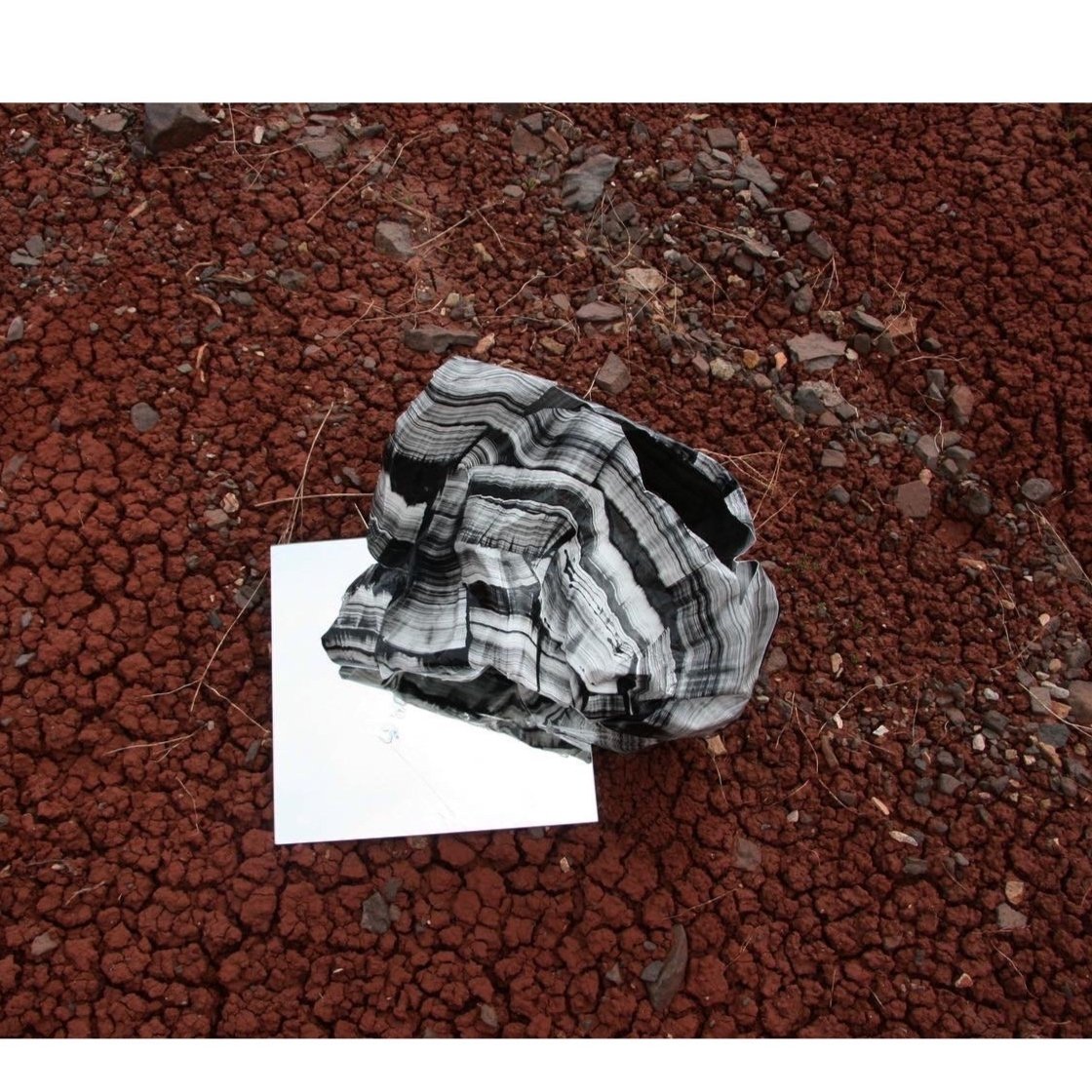
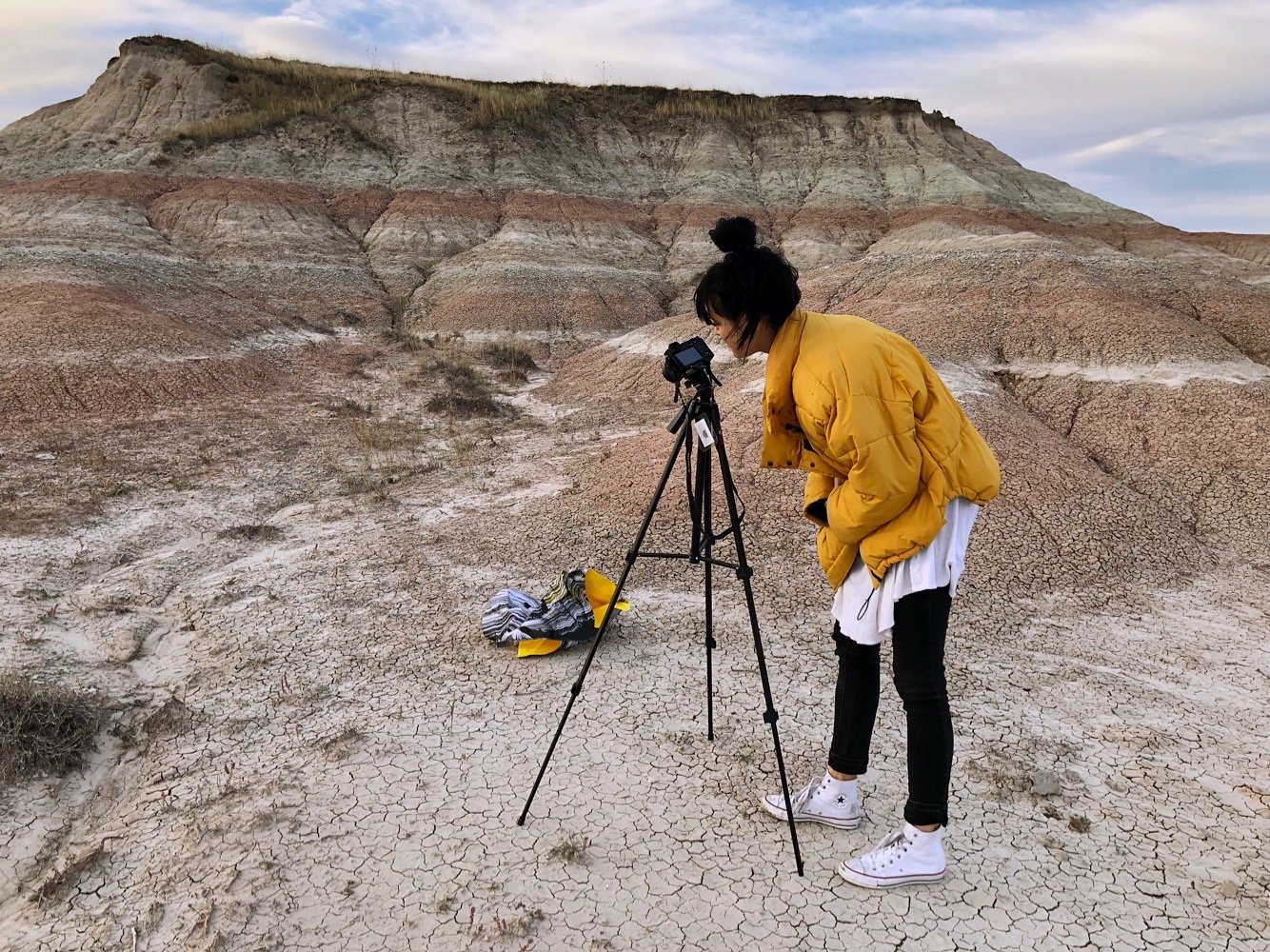
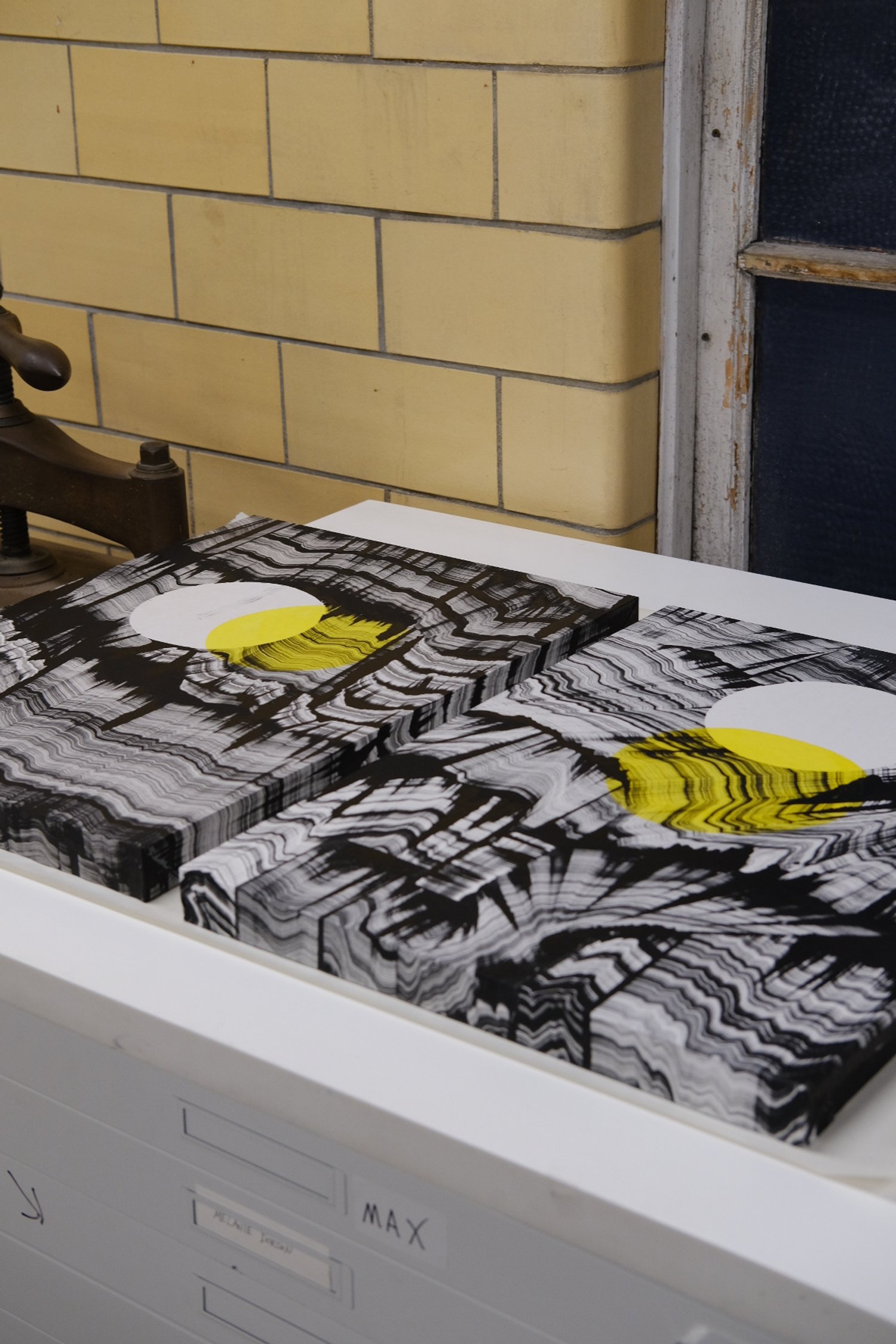
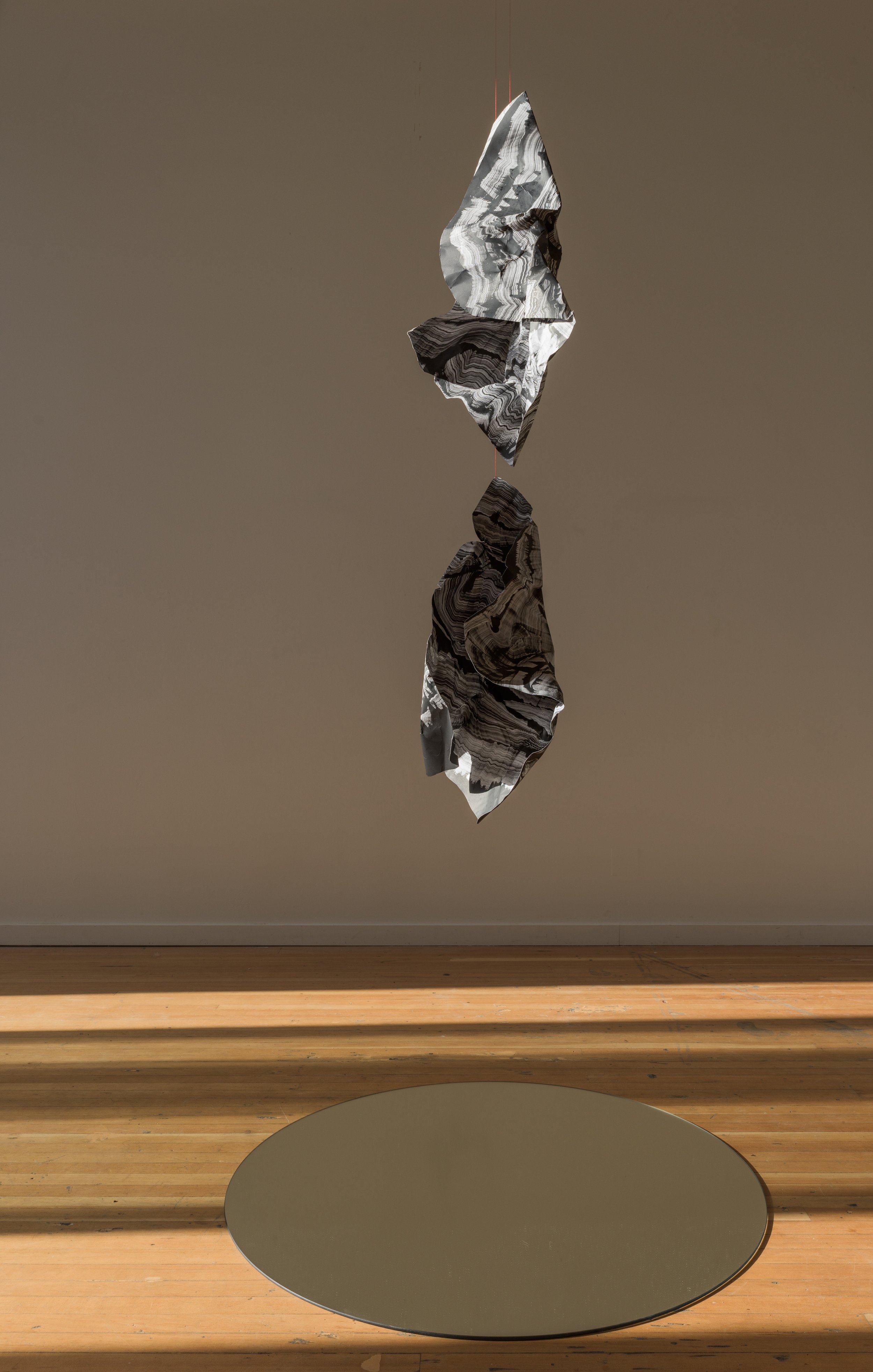


Photographs by Emily Bolles
Interview with Creative Director, Emily Bolles For ARTBUDS
Portland, Oregon September 2020
Emily Bolles: Who are your inspirations?
Angelica: “James Lavadour, A painter and Printmaker from Walla Walla, Washington. Lavadours landscapes introduced me to a new perspective of landscape. how landscape can serve as a vessel for communication and tradition, how can landscape serve as visual language. I am influenced by his first collaborative sculpture with the Walla Walla Foundry. “Ruby Lift” I am interested in Lavadours process in this particular piece. Lavadour took his paintings and translated them into 3D forms through digital process. He photographed and scanned his painting through a digital architecture program. He then rendered a 3D map through the painting. Lavadour’s brush strokes from the black and white abstract painting transformed into a three dimensional topographic reality of the Columbia River. The Columbia is a sacred space for him and his ancestors. I am interested in this reflection of intuitive and collective memory Indigenous nations have to their ancestral homelands. The marks transformed physically into who he is and where he is from. the mark making he used reflected his sacred homelands in Walla Walla, Washington. James experienced an unexpected phenomena with the uncanny reflection of his tribes homeland within the physical dimensions of Ruby LIft.”

